CAPACITY BUILDING WORKSHOP ON WEB and NETWORK SECURITY

11 February, 2026

Event Details

  • Organizer: The Cyber Force (TCF), VGEC & CAWACH Kendra
  • Venue: VGEC Campus
  • Duration: 2 Days
  • Participants: Students from IT, CS, and related branches
  • Type: Hands-on Cyber Security Workshop

Introduction

A two-day capacity-building workshop on Web and Network Security was conducted to provide students with practical exposure to cybersecurity concepts and tools. The event focused on bridging theoretical knowledge with real-world practices through expert sessions and hands-on demonstrations.

Objectives

  1. To create awareness about cyber threats and safe digital practices.
  2. To provide hands-on exposure to cybersecurity tools.
  3. To introduce vulnerability assessment and ethical hacking basics.
  4. To improve cyber hygiene and digital safety skills among students.

Resource Persons

  • Mr. Smit Patel – Senior Cyber Security Analyst, Kavayah Cloud
  • Ms. Khushboo Danidhariya – Cyber Security Analyst, Kavayah Cloud

Dignitaries & Faculty Coordinators:
Dr. V. D. Patel (HOD IT), Dr. Purvi Ramanuj, Mr. Jignesh Vania, Dr. Dipak Patel, Mrs. Khushali Raval.

Inauguration

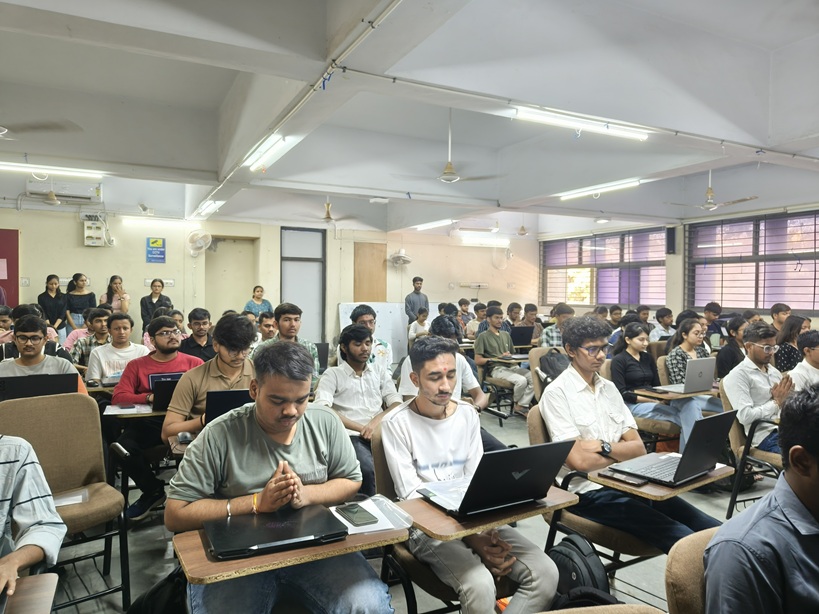
The workshop started with a welcome address by TCF core members and a felicitation ceremony to honor the guests and faculty members. Students were introduced to the purpose and structure of the workshop.

Proceedings 

Day 1

  • Introduction to cybersecurity and common cyber threats.
  • Hacker types, networking basics (LAN, WAN, VPN).
  • Overview of important ports and protocols.
  • Hands-on session with Kali Linux and Nmap for network scanning.

Day 2

  • Common vulnerabilities and attack methods.
  • Web security concepts and ethical hacking basics.
  • Demonstration of vulnerability scanning and mitigation techniques.
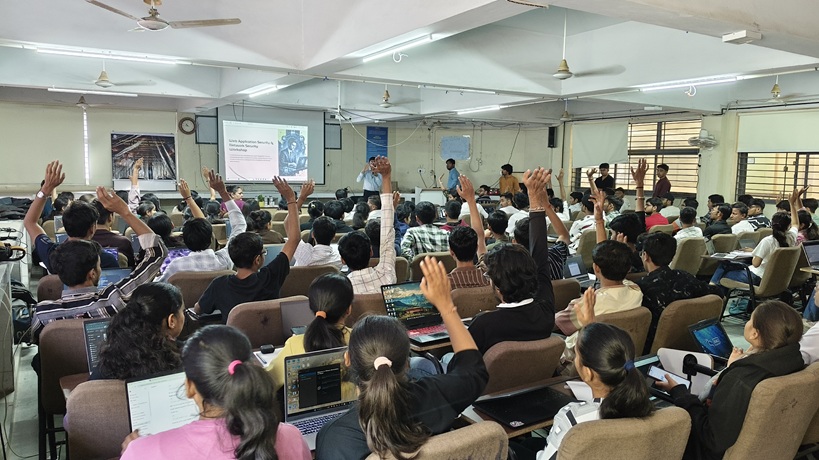
  • Cyber hygiene practices, Q&A session, and certificate distribution.

Highlights

  • Practical exposure to Kali Linux and Nmap.
  • Understanding of common ports (22, 80, 443, etc.) and vulnerabilities.
  • Live demonstrations of scanning and security assessment.
  • Industry insights from cybersecurity professionals

Outcomes / Impact

  • Improved student awareness about cybersecurity threats.
  • Hands-on experience with real-world tools.
  • Better understanding of ethical hacking and digital safety practices.
  • Increased interest in cybersecurity careers.

Conclusion

The workshop successfully provided students with foundational knowledge and practical experience in web and network security. It helped participants understand real-world cybersecurity practices and encouraged responsible digital behavior.

Acknowledgment

The organizing team sincerely thanks CAWACH Kendra, the resource persons from Kavayah Cloud, faculty coordinators, and all participants for making the workshop successful.
Glimpses