22 September, 2026
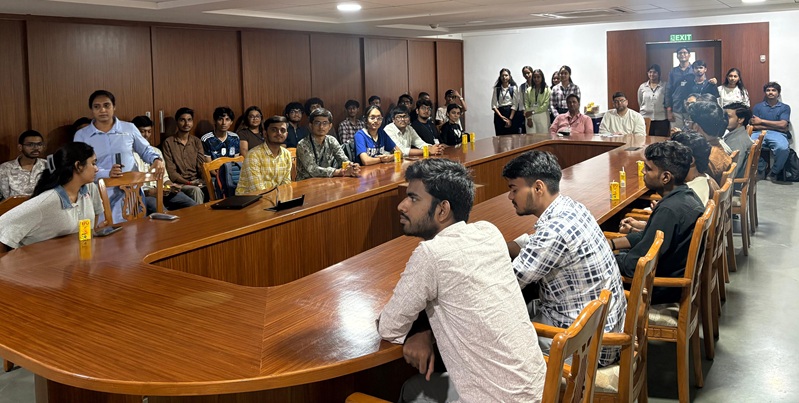
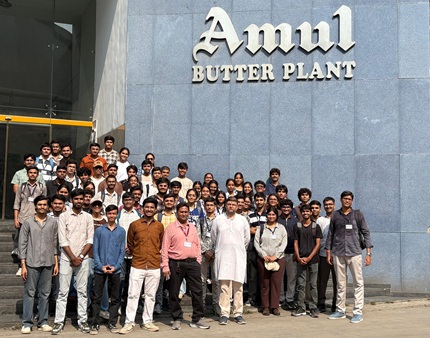
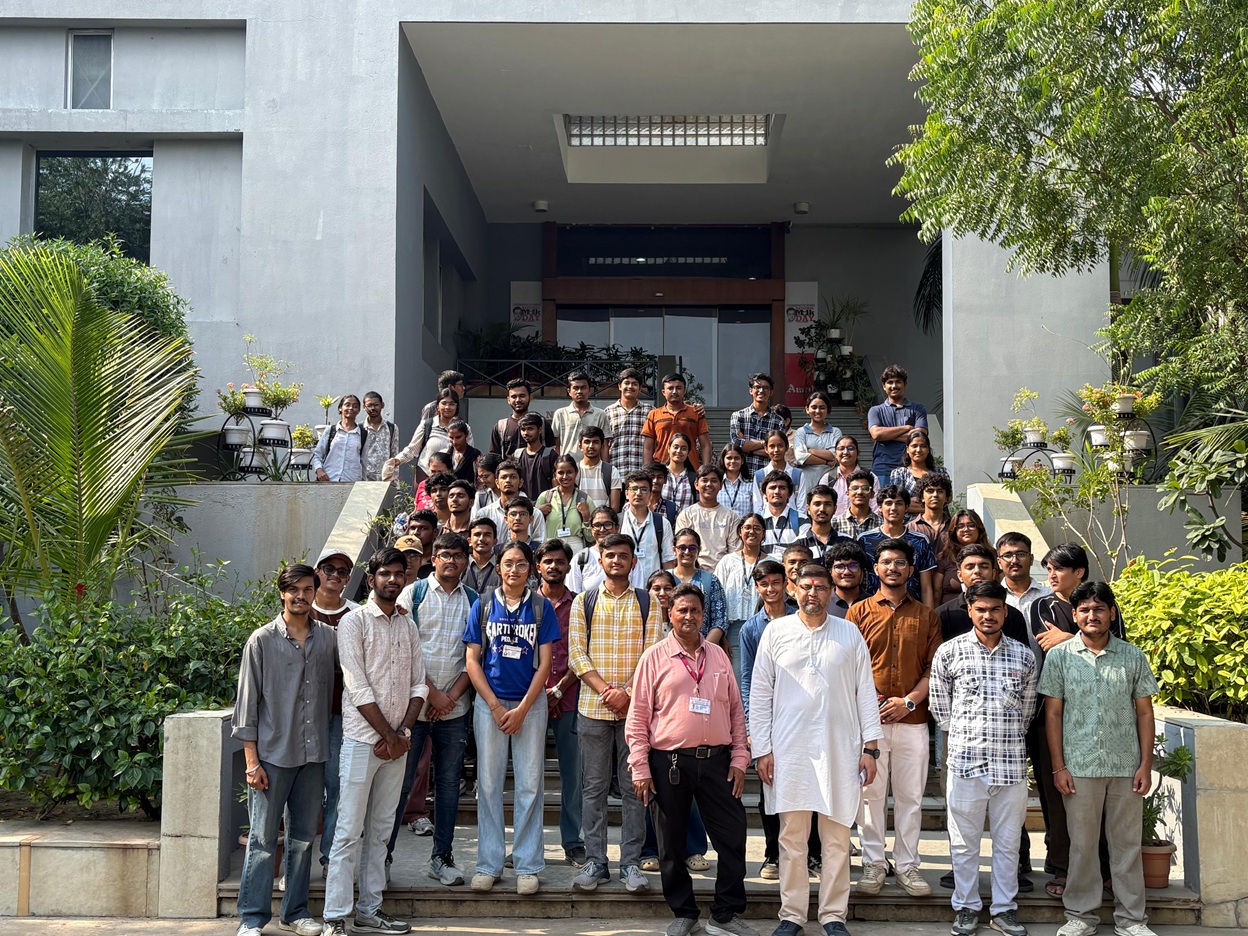
Ahmedabad, September 22: Students of the Power Electronics Department of Vishwakarma Government Engineering College (VGEC), Chandkheda, gained first-hand exposure to modern dairy processing during an industrial visit to AmulFed Dairy. The visit was conducted under the guidance of Principal Dr. V. S. Purani and Head of the Department Dr. I. N. Trivedi, providing students with an opportunity to observe the journey of milk from collection and quality testing to chilling, processing, automation, packaging and distribution. The visit offered students an insight into how large-scale dairy operations integrate industrial machinery, electrical and automation systems, quality-control processes and hygiene standards to handle milk and dairy products on an industrial scale. They also observed how different stages of the dairy process are coordinated before the final products reach consumers.
The visit also introduced students to the story behind the Amul cooperative movement. The cooperative movement began in Kheda, Gujarat, in 1946, when dairy farmers came together to gain greater control over the marketing of their milk. The emergence of the Amul cooperative model, later strengthened through the work of Dr Verghese Kurien, created a three-tier structure connecting village-level dairy societies, district milk unions and the state federation. The model demonstrated how small-scale milk producers could be connected with professional management, technology and organised markets.
Inside the plant, the familiar milk packet revealed a much larger industrial system. Milk does not simply move from collection to packaging; it passes through processing, quality control, chilling, hygiene systems and automated handling before reaching consumers. AmulFed Dairy’s official report describes the Gandhinagar facility as a fully automated, multi-product manufacturing plant with milk-handling capacity of more than 60 lakh litres per day.
The scale of production further highlighted the complexity of the facility. During the visit, students were informed that the plant produces approximately 135 metric tonnes of ghee and 310 tonnes of milk products every day. The ice-cream section handles around 1.2 lakh litres per day, while the butter plant produces around 100 metric tonnes per day. Such volumes require tightly controlled processing, automated systems and stringent hygiene practices to maintain consistency throughout production.
For Power Electronics students, the visit offered more than an insight into the dairy industry. It provided a real-world view of how automation, electrical systems, control technologies and industrial processes work together in large-scale manufacturing. The visit also helped connect classroom learning with industrial applications, where reliability, precision and continuous operation are essential.
For consumers, the experience revealed the hidden process behind an everyday product. From the farmer who produces the milk to the technology that processes, monitors and packages it, every stage plays a role in bringing the familiar packet to households. What appears simple on a refrigerator shelf is ultimately the result of a long-standing cooperative system combined with modern food-processing technology.
The industrial visit proved to be a valuable learning experience for the students, providing them with an opportunity to connect classroom concepts with real-world industrial applications. Their exposure to automation, electrical systems, control technologies, quality-control practices and modern production processes at AmulFed Dairy offered practical insight into the role of technology in large-scale manufacturing. Such industry-oriented initiatives not only strengthen students’ technical understanding but also develop their practical outlook, industrial awareness and problem-solving skills. The visit thus served as an effective bridge between academic learning and industrial practice, preparing students to meet the evolving technological demands of the engineering and manufacturing sectors.